
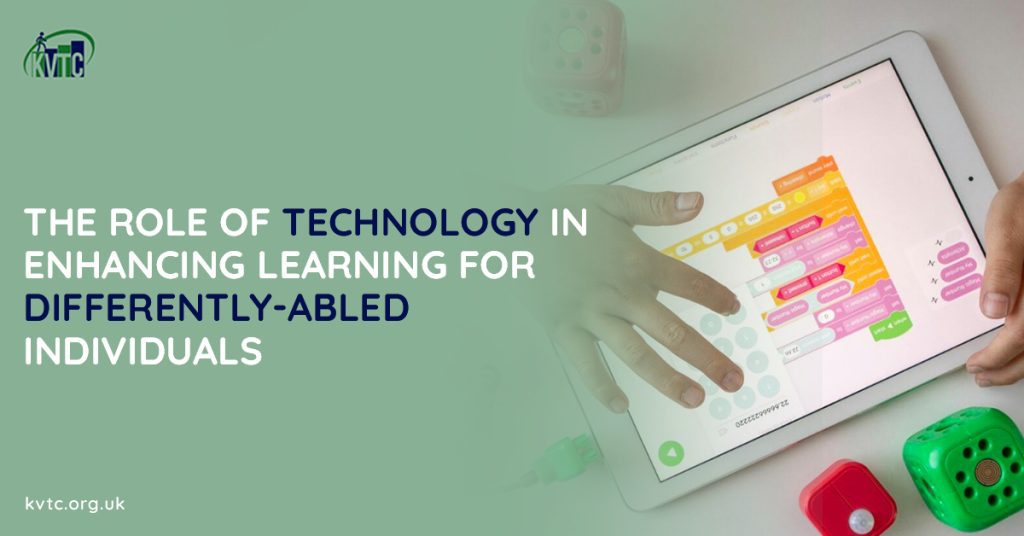
Technology is modifying the living, working, and learning practices. The use of technology for better learning of the differently-abled in Pakistan is a notable development.The honor belongs to the KVTC in Karachi, which is using tech tools to enhance special learning needs..Let’s take a closer look at how KVTC supports differently-abled individuals with innovative learning tools.
How Technology Is Making Learning Easier for Differently-Abled People
Technology is now a significant support for the differently-abled learners. There are such devices as tablets, smartboards and learning apps that assist disabled students to comprehend lessons. These tools provide visual, audio and tactile learning, making it easier for them to remain in the learning process.
Karachi Vocational Training Centre (KVTC) is using such tools in its classrooms. The center equips students with interactive devices like iPads and speech-support apps, helping them learn at their own pace. This approach creates a safe, inclusive, and skill-based learning environment.
With artificial intelligence and machine learning growing fast, tools can now be adjusted to meet each learner’s needs. At KVTC, AI-powered programs assist students with speech delays and developmental challenges. These technologies allow customized content delivery to match individual progress.
Global tech companies are also joining in. Microsoft and Google recently updated their accessibility features in May 2025. These updates include better speech-to-text tools and real-time captioning, helping differently-abled students follow lessons more easily.
KVTC stays updated with such innovations. By including speech-to-text tools in its training programs, KVTC ensures that hearing-impaired students can fully engage with spoken lessons. This matches global trends in inclusive education through adaptive technology.
One powerful example is the use of Augmented Reality (AR) in learning. In May 2025, Apple introduced new AR tools that help special needs children learn in 3D environments. This innovation makes education more fun, interactive, and inclusive.
While AR is still new in Pakistan, KVTC is exploring such tools for future use. The center aims to include AR-based skill-building exercises in vocational training, aligning with its goal to equip students with modern, job-ready abilities.
In classrooms worldwide, including in developing countries, digital inclusion is a growing goal. Schools are adopting technologies that make education accessible for every child, regardless of their abilities. This approach builds a more inclusive learning environment.
KVTC’s Innovative Use of Technology in Training Programs
KVTC (Karachi Vocational Training Centre) is a top institute in Pakistan helping differently-abled individuals become independent. KVTC uses modern technology to improve training and education outcomes for its students.
KVTC also has various smart devices such as tablets and laptops that are quite common. These are devices with applications that are supportive of speech therapy, language learning, and basic maths skill developments. These tools help to make learning easier and fun for the student.
KVTC also utilizes visual learning programs as well as touch-screen systems for the hearing and speech impairment. These programs enable the students to engage with content, which enables them to learn at their own pace in a friendly environment.
Moreover, KVTC trains its staff to use educational software tailored to each student’s condition. This ensures that all students get the best learning experience using the right tools and support.
Thanks to its efforts, KVTC is now recognized as a role model for tech-based special education in Pakistan. Other centers are also starting to follow its lead, improving the learning journey for differently-abled people across the country.
Global Trends in Assistive Technology and Their Impact
This month, major tech news has focused on assistive AI tools. Companies like OpenAI and Nvidia are working on new models that help generate content, translate languages, and offer real-time feedback for special learners. These updates are shaping the future of inclusive education.
In May 2025, UNESCO published a global report encouraging the use of assistive technology in developing nations. The report praised initiatives like KVTC for using simple yet effective tools to improve learning outcomes.
The World Health Organization (WHO) also released data in May 2025 showing that assistive tech tools have improved educational engagement for 70% of differently-abled students in pilot countries. This shows how powerful these tools can be.
Meanwhile, in Asia, Japan and South Korea are using wearable devices for differently-abled children. These devices can translate signs, provide reminders, and even monitor mental health during lessons. Such devices could also help centers like KVTC in the future.
As the world becomes more digital, it is important to include everyone. Using modern tools in special education programs ensures no one is left behind. Centers like KVTC are making this goal a reality through smart and kind solutions.
Conclusion:
Technology in education is getting more important day by day. For the differently-abled learners, it is not even helpful – it is life-changing.With tools like smart devices, AR learning, and AI-powered support, learning is now possible for everyone.
KVTC is setting an example for how simple tools can make a big difference. By focusing on each student’s needs, and using the right technology, KVTC helps learners build skills and confidence. This is a great step forward for inclusive education in Pakistan.
With global tech companies making regular updates in accessibility tools, and platforms like habl.pk promoting awareness, more support is becoming available. The role of technology in enhancing learning for differently-abled individuals will only grow stronger.
We must continue to invest in these tools, train our teachers, and keep learning from global trends. That is how we build a world where all students — no matter their abilities — get the chance to shine and succeed.
—————————————————————————————————————————————————–
FAQs
-
1. What is assistive technology in special education?
Assistive technology (AT) includes tools like speech devices and reading pens that help students with disabilities learn, communicate, and gain independence effectively.
-
2. How does assistive technology benefit students?
AT boosts learning, enhances communication, promotes independence, and builds confidence, enabling students with special needs to thrive in inclusive classrooms.
-
3. What types of assistive technology are available?
From text-to-speech software and adaptive keyboards to noise-canceling headphones and vocational tools, AT caters to diverse needs, supporting learning and daily tasks.
-
4. How does KVTC use assistive technology?
KVTC empowers students with tools like interactive boards, adaptive devices for IT and cooking, and personalized plans, fostering education and job-ready skills.