
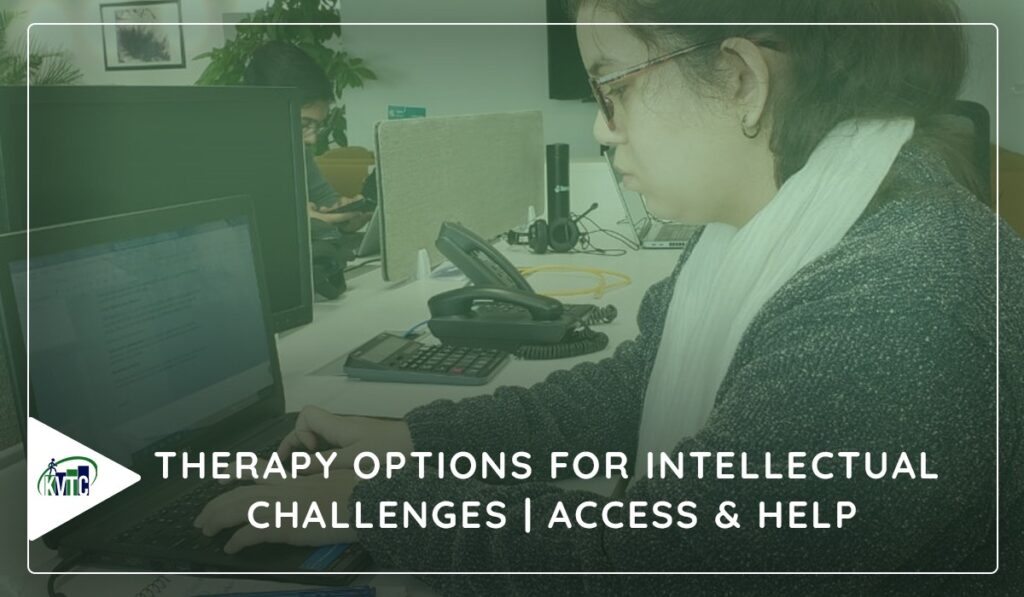
Living with an intellectual impairment brings many challenges for individuals and families. Supportive therapy is important because it helps with learning and communication. It also builds independence step by step. In Pakistan many families look for trusted centers like KVTC. KVTC stands for Karachi Vocational Training Center. It provides care and education for people with intellectual challenges. It also offers training that helps them grow with confidence.
This blog explores different therapy options, their benefits and how families can access the right support.
Understanding Intellectual Challenges
An intellectual challenge makes learning and problem solving difficult. It also affects daily independence. It often starts before the age of 18 and lasts for life.
Individuals might have difficulties in communication and social interaction. These challenges impact school, work and social inclusion.
Therapy does not remove the challenge but it helps individuals build skills. With consistent support they can live more meaningful lives.
Why Therapy Matters
Therapy is not only medical treatment. It is a structured way to help individuals grow, learn and adapt.
The main benefits include:
- Better communication through speech or signs or visual aids.
- Better daily skills like eating and dressing and hygiene.
- Emotional support that reduces anxiety and fear.
- Greater independence for school, work and community life.
By offering these services KVTC empowers individuals to live with dignity and confidence.
Types of Therapy for Intellectual Challenges
Each person has unique needs. Different therapies target different skills. Below are the main types used at centers like KVTC.
1. Speech and Language Therapy
Speech therapy is provided to people who experience difficulties in talking or deciphering words.
It focuses on:
- Improving pronunciation.
- Building vocabulary.
- Strengthening listening skills.
Some individuals may not use speech for communication. They learn picture cards, gestures or sign language instead. At KVTC speech practice is part of daily activities so students use these skills in real life.
2. Occupational Therapy
Occupational therapy teaches essential life skills. It develops motor control, coordination and problem solving.
Therapists work on:
- Dressing and feeding.
- Writing and hand control.
- Using tools and equipment.
Parents also receive training so individuals practice at home and progress faster.
3. Physical Therapy
Physical therapy builds body strength and mobility. Some individuals with intellectual challenges also face physical difficulties.
Benefits include:
- Better balance and posture.
- Reduced stiffness and joint pain.
- More freedom to join sports and exercise.
Improved physical health leads to greater independence and confidence.
4. Behavioral Therapy
Behavioral therapy helps stressors, aggressors or repetitive individuals.
It applies positive reinforcement to promote good behavior and to instruct coping skills. These strategies are routine at KVTC. Students are taught how to cope with feelings and how to be ready to work and live in a community.
5. Educational and Vocational Training
Education and vocational training are central parts of therapy. They cover literacy, numeracy and job skills.
Training may include:
- Computer basics.
- Tailoring or embroidery.
- Handicrafts and creative work.
These programs give individuals the chance to earn and contribute to society. KVTC is well known for its vocational training.
6. Social and Recreational Therapy
Therapy also includes recreation which builds confidence and social connection.
Activities include:
- Art and painting.
- Music and drama.
- Sports and group games.
These reduce stress, encourage creativity and improve emotional well being. At KVTC cultural events also promote social inclusion.
Benefits of Therapy
Therapy impacts individuals, families and society. Its benefits go beyond the therapy session.
For Individuals
- Clearer communication.
- Improved daily skills.
- Better physical health.
- Stronger self esteem.
For Families
- Less daily stress.
- More hope for the future.
- Guidance in caregiving.
- Stronger family bonds.
For Society
- Inclusion in schools and workplaces.
- Reduced stigma around challenges.
- More skilled individuals in the workforce.
Through structured therapy and training KVTC spreads these benefits across Pakistan.
How to Access Therapy Services
Finding therapy can feel overwhelming. Families can follow these steps.
- Get an Assessment
An assessment is the first step. Specialists identify strengths and needs and then create a plan. KVTC provides assessments to guide families. - Select the Right Therapy
Each individual is different. Some need speech support while others benefit from vocational training. The right mix is key. - Choose a Trusted Center
Families should pick centers with strong experience. KVTC in Karachi is a leading choice for therapy and vocational programs. - Stay Consistent
Therapy takes patience and regular effort. Progress comes from consistent sessions and home practice. - Find Community Support
Parent groups and networks provide advice and encouragement. Families learn from others who share similar journeys.
Why KVTC is Different
KVTC is one of Pakistan’s most trusted centers for people with intellectual challenges. For decades it has supported individuals through a wide range of services designed to build dignity, confidence and independence. Families across Karachi and other regions value the center because it focuses on both personal growth and social inclusion.
The holistic approach is one of the best qualities of KVTC. Education, therapy and vocational training is provided on the same roof. This enables people to practice the various aspects simultaneously without necessarily transferring to other separate facilities. Every program is designed to address the individual needs of any student.
The staff at KVTC includes trained therapists, teachers and vocational experts. They guide individuals step by step and encourage steady progress. Families are also included in the process so learning continues at home. This partnership makes therapy more effective and reduces the pressure on parents.
Another reason KVTC stands out is its commitment to community engagement. By organizing events and awareness programs it challenges stigma and promotes inclusion.
KVTC has a strong model built over many years of service and it has changed thousands of lives in Pakistan by helping people with challenges live with pride and purpose.
Final Thoughts
Therapy changes the lives of people with intellectual challenges. It builds skills, confidence and independence while easing stress for families.
In Pakistan families can trust KVTC for expert care and training. Its programs prepare individuals for dignity, inclusion and a brighter future.
——————————————————————————————————————————————————
FAQs
-
1.What therapies help with intellectual challenges?
Speech, physical, behavioral, and vocational therapies improve skills and confidence.
-
2.How does therapy improve life
It boosts communication, daily independence, and self-esteem.
-
3.Why choose KVTC?
KVTC offers therapy, education, and training—all in one place with expert care
-
4.How to start therapy?
Get assessed, pick the right support, and stay consistent with KVTC’s help.