
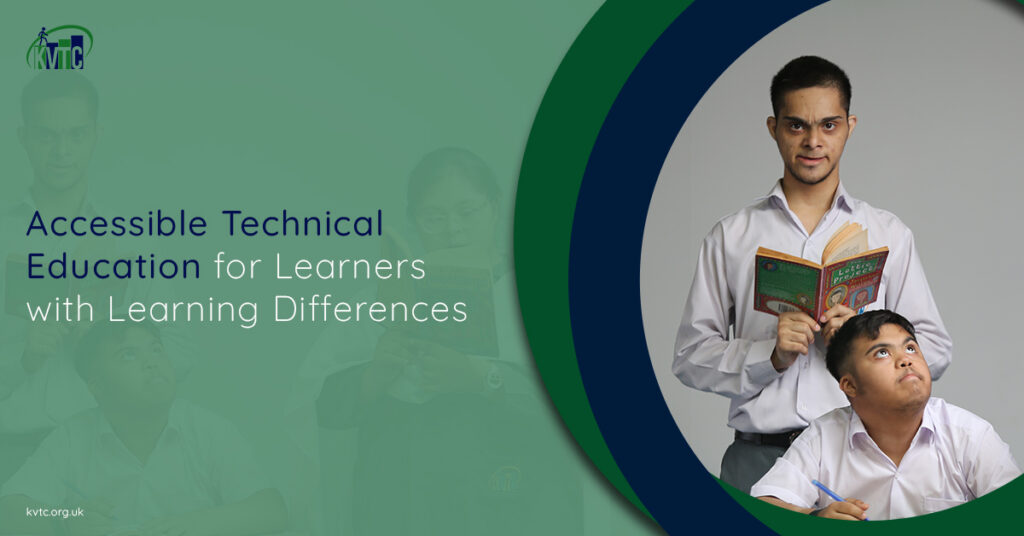
Technical education is essential in today’s economy. It builds careers in IT, engineering, and design. Yet, learners with differences face many challenges.
Traditional teaching, rigid assessments, and limited support restrict their growth. Many bright students cannot access equal learning opportunities.
The Karachi Vocational Training Center (KVTC) is changing this landscape. It creates accessible education where students of all abilities succeed.
Why Accessible Technical Education Matters
Accessible learning ensures equal participation for all students. In technical education, it opens doors to careers and independence.
Students with learning differences often have strong creativity and problem solving skills. With support, they excel in demanding industries.
KVTC programs help students gain skills and confidence. These skills enable them to compete in professional environments.
KVTC as a Pioneer in Inclusive Education
Karachi vocational Training Center (KVTC) achieves the highest inclusive education in Pakistan.It offers diverse programs for learners with unique needs.
Training is in IT, vocational trades or creative skills. Students track paths that suit them best as per their talents and ambitions.
KVTC also focuses on soft skills. All programs include communicating, teamwork, and problem-solving efforts. These attributes develop more career prospects
Adaptive Learning for Different Needs
Traditional methods often depend on memorization. They fail to engage students with differences. KVTC uses flexible approaches to solve this.
Its strategies include:
- Individual lessons – Teachers adjust content to student pace.
- Practical training – Students learn by doing, improving retention.
- Assistive tools – Digital platforms and visuals make complex topics simple.
- Guided support – Trainers encourage progress with close mentorship.
This universal method assures no learner is excluded. Students learn and develop their confidence.
Building Career Pathways Through Skills
Technical skills create opportunities in high-demand fields. Accessible education prepares students to succeed in these areas.
KVTC focuses on career readiness. It teaches relevant skills for today’s job market. Graduates enter industries with confidence.
Many former students of KVTC now work in respected roles. Their success proves differences are strengths, not barriers.
Employers also gain from inclusive hiring. Diverse teams often bring unique ideas and creative solutions.
KVTC’s Role in the Community
The institute influences more than just classrooms. It shifts how families and communities view learning differences.
Many parents once doubted their children could pursue technical careers. KVTC shows them that success is possible.
The center also links up with industries to make available internship programs and placements. All these opportunities provide the students exposure to the workplace.
Through inclusion KVTC demonstrates that a learner with difference can be a major contributor to the society.
Remaining Challenges
Nevertheless, despite that advancement, several issues continue to exist. There are very scarce resources and personnel trained in conducting accessible education in many institutes.
Public awareness of inclusive education is also limited. Without broad support, opportunities remain restricted.
Scaling KVTC’s model requires cooperation between government, educators, and private institutions. Only then can inclusivity reach more students.
The Way Forward
Pakistan must expand accessible technical education. More institutes should adopt KVTC’s approach and use supportive teaching practices.
Parents should ensure that they encourage their children to enroll in technical programs. Teachers need to adopt innovation. The policymakers ought to develop structures that guard against accessibility.
Collectively, these measures are able to assure that no learner is deprived of an opportunity.
Conclusion
Accessible technical education builds fairness in society. It helps learners with differences unlock their potential.
The Karachi Vocational Training Center (KVTC) is a testimony of achievement. Its initiatives marry expertise, self-assurance, and professions.
With continued support, inclusive education will expand in Pakistan. This progress will reveal hidden talent and strengthen the workforce of tomorrow.
——————————————————————————————————————————————————
FAQs
-
1. What is assistive technology in special education?
Assistive technology (AT) includes tools like speech devices and reading pens that help students with disabilities learn, communicate, and gain independence effectively.
-
2. How does assistive technology benefit students?
AT boosts learning, enhances communication, promotes independence, and builds confidence, enabling students with special needs to thrive in inclusive classrooms.
-
3. What types of assistive technology are available?
From text-to-speech software and adaptive keyboards to noise-canceling headphones and vocational tools, AT caters to diverse needs, supporting learning and daily tasks.
-
4. How does KVTC use assistive technology?
KVTC empowers students with tools like interactive boards, adaptive devices for IT and cooking, and personalized plans, fostering education and job-ready skills.