
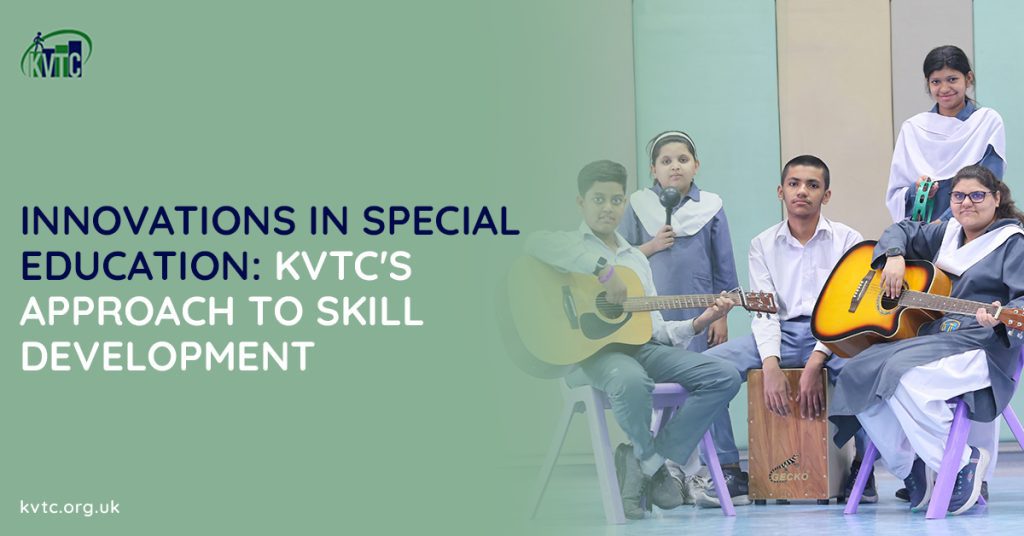
Amid the persistent backdrop of Indo-Pak tensions and economic instability, one institution in Pakistan is quietly challenging long-held assumptions about disability and dependence. The Karachi Vocational Training Centre (KVTC) is not just offering education;it is transforming the life of the intellectually and physically disabled through hands-on skills that equate to real-life independence.
In a region where special education often falls through the cracks, KVTC’s model stands out not as charity but as a blueprint for empowerment. While mainstream discourse remains fixated on political conflict and economic shortfalls, KVTC is demonstrating that inclusive, purpose-driven learning can flourish even in uncertain times.
This article takes a closer look at how KVTC is changing the face of special education in Pakistan.
KVTC’s Unique Approach to Special Education
KVTC is a nonprofit organization based in Karachi.It gives vocational training and education to the disabled with intellectual and physical disability. Teaching should not only be a goal but getting the students ready for real life. At KVTC students are treated with respect and recognized for their potential. They are not seen as patients or dependents but as people who can thrive with the right guidance.
The unique approach of KVTC is that it is personalized. The position of every student is assessed and they are put in a program that fits their interests and abilities. The options vary from computer training and digital art to baking, tailoring and variations of electronics.These hands-on programs make learning fun and useful.
In many traditional classrooms, special learners struggle to keep up. The teaching methods often don’t meet their needs. KVTC addresses this challenge by using tools that work for differently-abled individuals. Visual aids, digital screens, sensory rooms, and one-on-one mentoring all help students stay focused and learn better.
The center has also embraced technology. Devices like touchscreen computers and speech-to-text tools help students with mobility or speech difficulties fully participate in class. Group work and peer learning activities help them build confidence, communication skills, and teamwork. This modern, student-first approach has made KVTC a leader in special education in Pakistan.
Mental Well-being and Emotional Support
KVTC is not just a skill teaching venture. It also offers great emotional and mental health support. A lot of the disabled people experience emotional problems. Such may be anxiety, low self-esteem, and past trauma. To help them, KVTC has trained counselors who provide regular sessions of therapy under a calm and stimulating environment.
Other minor stress relief techniques such as yoga and meditation are also taught to students. Group discussions and peer interaction are the means of expressing feelings and earning trust. Such mental health programs help to bring about a safe environment where the students are made to feel valuable and cared for.
In a world that is uncertain, emotional strength becomes as important as the skills of learning. This is particularly the case with disabled people who are usually under social and financial pressure. By stressing on the well-being of the mind, KVTC guides its students to become self – confident and strong individuals.
Skill Development for Real Independence
At the heart of KVTC’s success is its focus on teaching skills that lead to independence. Many special education centers stop at basic academics. KVTC goes a step further. It prepares students for real jobs and self-sufficiency.
Students learn valuable trades like tailoring, baking, graphic design, and electrical repair. These programs are updated regularly based on what employers are looking for. This means students are always learning skills that are in demand.
For example, some students who completed computer literacy courses are now working in banks and offices. Others have become skilled artisans or home-based business owners. These achievements show that skill development can lead to real financial independence.
Skill building is about more than finding a job. It’s about giving people the tools they need to lead a full life. When students can earn their own income, they not only support themselves but also contribute to their families and communities.
The center’s work is especially important now. Indo-Pak tensions and rising unemployment have made life more difficult for people with disabilities. Government support is limited. Families are struggling. KVTC gives students a chance to break that cycle by becoming independent.
During the COVID-19 pandemic, KVTC adapted quickly. The center moved many of its training sessions online. Teachers continued to work with students using video calls and online tools. This commitment to learning, even during a global crisis, showed the strength and resilience of their program.
Empowering Girls and Women
In most regions of Pakistan, disabled girls are confronted with even more difficulties. They are usually not allowed in school or considered as burdens. KVTC has put great efforts to ensure that these young women are represented and empowered.
Female students are taught in the art of textile work, graphic designing, computer knowledge and even small business management. The center provides a safe and respectable environment where they can study and develop.
Some of these girls have turned to carry home based businesses. Different people have managed to get employment through which they can sustain themselves. Such stories are extremely important to remind one that if provided with such opportunity, everyone can be successful.
Conclusion
The Karachi Vocational Training Centre is not only training the students, but also going beyond its way. It is changing lives. Supported by personalized education, emotional support and hands-on training, it helps people with disabilities create the future they can be proud of.
In a time of uncertainty and division, KVTC’s work sends a powerful message. Inclusive education is not only possible but essential. By focusing on skills and mental strength, KVTC offers a model that other countries in South Asia—and beyond—can learn from.
—————————————————————————————————————————————————–
FAQs
-
1. What is assistive technology in special education?
Assistive technology (AT) includes tools like speech devices and reading pens that help students with disabilities learn, communicate, and gain independence effectively.
-
2. How does assistive technology benefit students?
AT boosts learning, enhances communication, promotes independence, and builds confidence, enabling students with special needs to thrive in inclusive classrooms.
-
3. What types of assistive technology are available?
From text-to-speech software and adaptive keyboards to noise-canceling headphones and vocational tools, AT caters to diverse needs, supporting learning and daily tasks.
-
4. How does KVTC use assistive technology?
KVTC empowers students with tools like interactive boards, adaptive devices for IT and cooking, and personalized plans, fostering education and job-ready skills.