
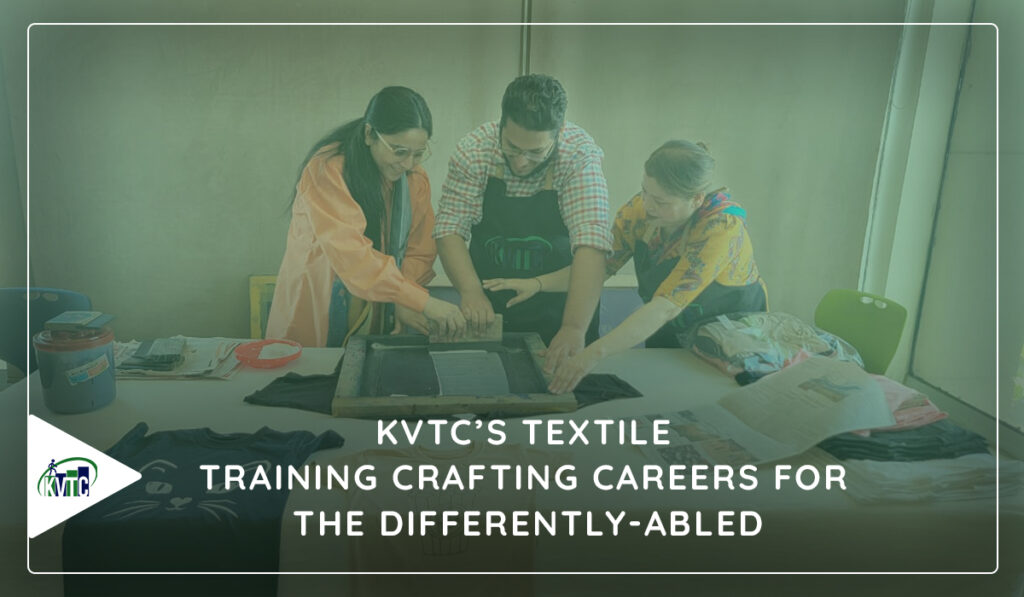
In today’s job market skills matter more than ever. For differently-abled individuals opportunities often remain limited because of the lack of proper training. The Karachi Vocational Training Centre (KVTC) is changing this reality through its textile training program. By teaching tailoring skills for differently-abled youth KVTC gives participants not only vocational expertise but also dignity, independence and the chance to contribute meaningfully to society.
Empowering Differently-Abled Youth Through Tailoring
Tailoring is one of the most practical career paths for people with special needs. With the right guidance it allows them to start small businesses, find employment or work from home. KVTC designed courses that help differently-abled youth learn essential tailoring skills.
This program offers much more than sewing or stitching. It includes fabric selection pattern cutting garment design and finishing. Patient instruction and supportive methods build both confidence and ability. For many participants this training becomes their first step toward financial independence.
Vocational Training for Disabled Communities in Pakistan
Vocational training for disabled youth is an important yet often ignored area in Pakistan. Many institutes focus only on academics and overlook practical skills that can lead to sustainable livelihoods. KVTC addresses this gap by offering programs that match real employment opportunities.
Their textile training course creates a direct path to earning. Market needs are understood by what the curriculum offers, starting with basic things like cushion covers, as well as more complex garments like formal wear. This makes sure that trainees will be able to practice what they study right now to help themselves and their family.
Why Tailoring Courses in Karachi Matter
Karachi is Pakistan’s hub for textiles and garments. It serves both domestic buyers and international exports. Offering tailoring courses in Karachi places KVTC’s trainees right in the middle of the country’s fashion and textile sector. With many factories, boutiques and design houses in the city the demand for skilled workers is constant.
For differently-abled youth this environment opens real possibilities. Even small tailoring shops in local areas can provide consistent income. KVTC’s program prepares trainees to explore these chances with confidence.
Inclusive Education in Pakistan – KVTC’s Model
Inclusive education in Pakistan often focuses on schools and classrooms but leaves out skill-based learning. KVTC has created a different approach that combines education with hands-on training. Their textile program is designed for accessibility. Workstations are adjusted for different needs and trainers provide individual support.
Parents often notice a positive change in their children. Many students who once felt excluded now proudly display garments they have made themselves. This achievement not only boosts confidence but also changes how society views disability.
Building Skill Development for Disabled Youth
Skill development for disabled individuals is more than learning a craft. It also includes building soft skills like communication teamwork and time management. KVTC includes these elements in its textile program. Trainees learn to take orders, deal with customers and manage deadlines.
This approach prepares them to work as employees and also as entrepreneurs. Many graduates open tailoring shops or provide sewing services from home. They not only earn for themselves but also create work for others.
Special Needs Job Training with Real Impact
The biggest challenge for many differently-abled people is moving from training to employment. KVTC helps by building links with employers in the textile industry. Many graduates find jobs in factories, boutiques and tailoring units.
KVTC also supports self-employment by helping trainees access sewing machines starter kits and sometimes microfinance support. This focus on practical job training means participants become contributors rather than dependents.
Stories of Change
The success of KVTC’s textile program is best seen in personal stories. Many young people who once lacked skills now earn income through tailoring. Some run small home-based businesses while others work in garment factories.
One young woman with a hearing impairment mastered stitching at KVTC and now runs her own tailoring service. She earns enough to support her family and proudly calls herself independent. Stories like hers show how KVTC turns disability into ability.
A Step Toward an Inclusive Workforce
The tailoring courses at KVTC highlight the importance of giving differently-abled people a place in Pakistan’s workforce. By offering them practical skills the program challenges old views and shows that disability does not mean inability.
Inclusive vocational training is not only about jobs. It is about equal opportunities. Each skill learned reduces dependency and builds self-respect. Stronger communities grow when every member can play a role.
From Trainee to Professional: Success Stories and Empowerment
The true impact of KVTC’s approach is best seen in the lives of its alumni. These individuals, once marginalized by society’s limited perceptions, are now self reliant and productive members of their communities.
One inspiring example is a KVTC alumna who excelled in Tailoring and Machine Embroidery. She transitioned from a student to an Assistant Teacher at the center, a clear testament to the efficacy of the vocational programs. Another initiative showcasing the students’ brilliance is JIDDAT, KVTC’s home accessories and apparel brand. JIDDAT provides a professional platform for students to showcase and sell their masterpieces created through their textile skills, advocating for their talent and demonstrating their economic viability.
The KVTC Model: A Blueprint for Inclusive Education Pakistan
KVTC’s sustained success is rooted in a philosophy that challenges the prevalent stigma against people with disabilities. They believe that with the right guidance, education, and special needs job training, these individuals can and will play a productive part in society.
Key elements that make the KVTC model a success for skill development for disabled:
- Market Valued Courses: Training focuses on fields with actual employment opportunities, ensuring the skills are relevant and in demand.
- Individualized Curriculum: This approach is the most commonly used approach to curriculum, which is tailored to meet the needs of intellectually challenged individuals, allowing them to learn and acquire skills at a pace in which they feel more comfortable.
This integrated approach is a case of hope toward inclusive education in Pakistan, where graduates are not only well-trained workers but are social and interactive and prepared to face the world.
Conclusion
KVTC’s textile training program is more than a class. It is a pathway to empowerment. By teaching tailoring skills for differently-abled youth KVTC creates confidence and hope.
For Pakistan this program shows the value of inclusive education and vocational training. If more institutes adopt similar models an inclusive workforce will become a reality.
Through tailoring KVTC is not only making clothes but also shaping brighter futures for differently-abled individuals.
——————————————————————————————————————————————————
FAQs
-
1.What is KVTC’s textile training program for differently-abled youth?
KVTC’s textile training program teaches tailoring, stitching, and design skills to differently-abled youth, helping them gain financial independence and social confidence.
-
2.How does KVTC support skill development for disabled individuals?
KVTC offers accessible learning, personalized instruction, and soft-skill training like teamwork and communication, preparing trainees for both employment and entrepreneurship.
-
3.,What career opportunities are available after completing KVTC’s tailoring course?
Graduates work in boutiques, garment factories, and tailoring shops, while others start home-based businesses or join KVTC’s brand JIDDAT to sell their products
-
4.Why is KVTC a model for inclusive education in Pakistan?
KVTC combines education with hands-on vocational training, proving that with proper guidance, differently-abled individuals can actively contribute to Pakistan’s economy and society.